
0
Fire Protection Systems

Fire Protection Services

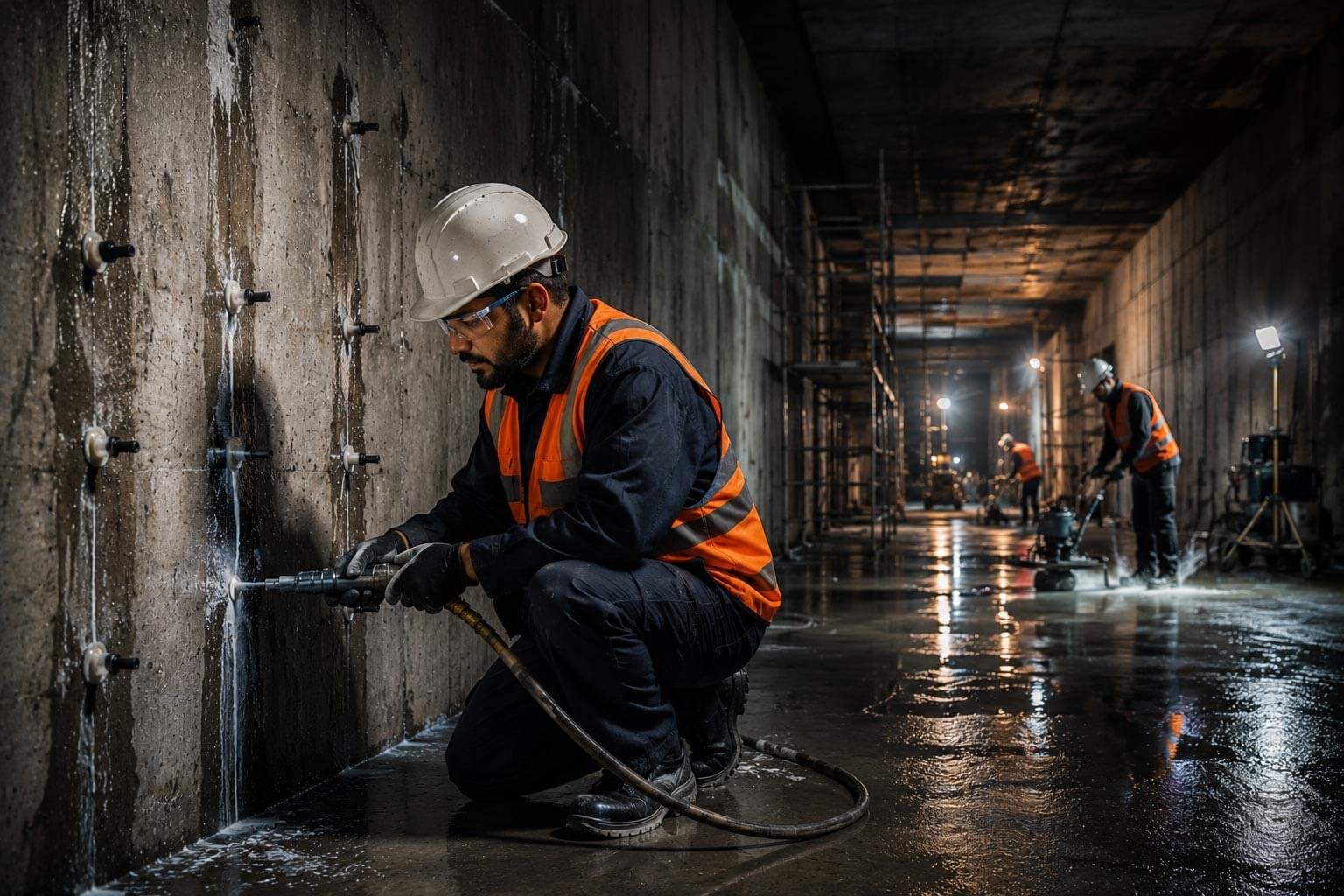
Passive fire protection systems and structural fireproofing for buildings, industrial plants, and critical infrastructure across Egypt and Saudi Arabia.

95% Success rate
25yr Material lifespan
24–48h Avg. completion

Fire Protection Systems — Overview

  • Passive fire protection & structural fireproofing for steel and concrete
  • Intumescent coating & fire resistant coating for structural steel
  • Fire protection engineering aligned to NFPA and local building fire codes
  • Fire compartmentation, fire barriers & penetration fire stopping integration
  • ISO-certified fire protection company for industrial & infrastructure projects
Fire Protection Services
95% Success rate
25yr Material lifespan
24–48h Avg. completion

Fire Protection Services & Solutions

Fire hazards in industrial plants, power stations, petrochemical facilities, and high-rise buildings demand engineered fire protection solutions — not generic coatings. As a fire protection company delivering fire protection services across Egypt and Saudi Arabia, OSISCO designs and applies passive fire protection systems that meet fire protection standards, building fire codes, and project-specific fire protection requirements.

Our fire protection engineering scope covers structural fire protection, steel fireproofing, intumescent coating for steel, and fire-rated construction integration — protecting structural steel, concrete structures, walls, floors, ceilings, columns, and beams against fire risk.

Asset / ElementTypical Fire Protection System
Structural steel — columns & beamsIntumescent coating / cementitious fireproofing
Steel decks & vesselsFire resistant coating for steel / spray fireproofing
Concrete walls & floorsFire-rated boards / spray protection / compartmentation
Penetrations & jointsFire stopping & fire-rated barrier continuity
Industrial process structuresStructural fireproofing + passive fire protection coating

Passive Fire Protection Systems

01

Structural Fireproofing & Steel Fireproofing

Intumescent coating: Thin-film passive fire protection coating that expands under heat — ideal fire resistant coating for steel where aesthetics and DFT control matter on exposed structural steel and architectural steelwork.

Cementitious fireproofing: Spray-applied structural fireproofing for columns, beams, and vessels in industrial environments — delivering robust fire resistance for heavy-duty passive fire protection systems.

Fire protection coating: Engineered passive fire protection coating systems specified by fire protection engineering analysis to achieve required fire-rated assemblies and code compliance.
02

Fire Compartmentation & Barriers

Fire compartmentation divides buildings into fire-rated zones using fire barriers, fire-rated barriers at walls and floors, and continuity at ceilings and openings. OSISCO integrates passive fire protection with fire stopping at penetrations, joints, and openings to maintain fire-rated construction integrity.

Active vs Passive Fire Protection

CategoryFunctionExamples
Passive fire protectionAlways-on fire resistance built into structureFireproofing, intumescent coating, fire barriers, compartmentation
Active fire protectionDetects and suppresses fire when triggeredSprinklers, alarms, suppression systems, hydrants

OSISCO focuses on passive fire protection services — structural fire protection, fire-resistant materials, and fire protection coatings — working alongside MEP and fire safety consultants for complete fire safety systems integration.

Fire Protection Engineering & Compliance

Every scope begins with fire risk assessment and alignment to NFPA principles, local building fire codes, and client fire protection standards. Our fire protection engineering deliverables include system selection, fire-rated assembly documentation, and fire safety compliance records for handover.

  • Fire resistance ratings: Specified to match required periods for structural steel, walls, floors, and critical assemblies.
  • Code compliance: Fire-rated systems designed for fire safety compliance on industrial and commercial projects.
  • Quality assurance: Surface preparation, DFT measurement, and inspection reports for passive fire protection coating systems.

Application-Specific Fire Protection

01

Industrial & Petrochemical

Industrial fire protection systems and fire protection for industrial facilities — including fire protection for factories, warehouses, fireproofing for industrial facilities, and fire protection for petrochemical facilities with hydrocarbon and high-temperature exposure considerations.

02

Power & Critical Infrastructure

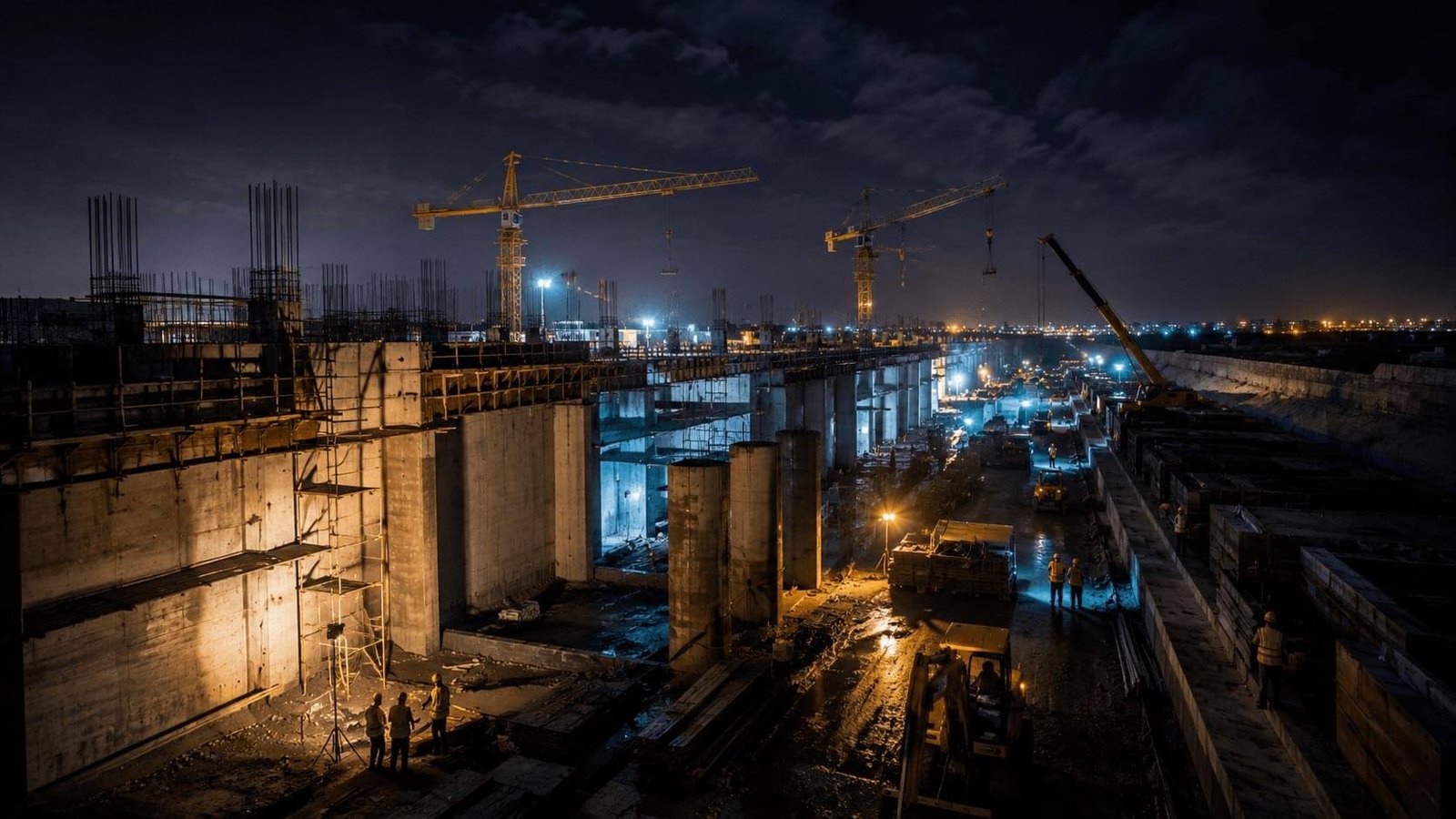
Fire protection for power plants, fire protection for critical infrastructure, passive fire protection for infrastructure, and fire protection for infrastructure projects — structural fire protection for infrastructure assets that cannot tolerate downtime.

03

Buildings & High-Rise

Building fire protection systems, fire protection for commercial buildings, passive fire protection for buildings, fire-rated building systems, and fire protection for high-rise buildings — protecting occupants and structural stability in vertical construction.

04

Structural Steel

Steel fireproofing, structural steel fire protection, fire protection for steel structures, intumescent coating for steel, and structural steel fireproofing for pipe racks, process structures, and architectural exposed steel.

Representative Fire Protection Projects

  • Industrial plants (Egypt & KSA): Structural steel fireproofing and intumescent systems on process structures and pipe bridges.
  • Power & energy assets: Passive fire protection for boiler structures, turbine halls, and critical equipment supports.
  • Commercial & mixed-use: Fire protection coating and compartmentation support on high-rise and podium developments.
  • Infrastructure: Fire protection for infrastructure and fireproofing infrastructure on transport and utility projects.

Frequently Asked Questions

Your questions, our answers

What are fire protection systems?

Fire protection systems are engineered measures — passive and active — that limit fire spread, maintain structural stability, and protect life and property. They include fire-rated construction, fireproofing coatings, compartmentation, barriers, and integrated fire safety systems designed to meet fire protection standards and building fire codes.

What are the different types of fire protection systems?

Systems fall into active fire protection (detection, suppression, sprinklers) and passive fire protection (fireproofing, fire-rated barriers, compartmentation, and fire stopping). OSISCO specialises in passive fire protection systems and structural fire protection coatings for steel and concrete assets.

What is passive fire protection?

Passive fire protection uses fire-resistant materials and fire-rated assemblies built into the structure — coatings, boards, sprays, and barriers — that resist fire without activation. It provides continuous fire resistance for walls, floors, columns, beams, and penetrations.

What is active fire protection?

Active fire protection detects and fights fire through systems that require activation — sprinklers, alarms, suppression gas, and hydrants. It complements passive measures; both are required for comprehensive fire safety compliance on many industrial and commercial projects.

What is the difference between active and passive fire protection?

Active systems respond when fire occurs (sprinklers, alarms). Passive systems are always in place — fireproofing, fire barriers, and fire-rated construction that contain fire and heat by design. Effective fire protection solutions combine both approaches.

What does a fire protection system include?

A complete scope may include structural fireproofing, intumescent coating for steel, fire compartmentation, fire-rated barriers at walls and floors, sealing of penetrations and joints, and documentation demonstrating fire protection requirements and code compliance.

What is structural fire protection?

Structural fire protection maintains load-bearing capacity of steel structures, concrete elements, and assemblies for a defined fire resistance period — typically through fireproofing, intumescent coatings, or fire-resistant encasement — preventing collapse during a fire event.

What is fireproofing?

Fireproofing applies fire-resistant materials to structural steel, columns, beams, decks, and vessels to achieve required fire resistance ratings. Methods include intumescent coating, cementitious spray, and board systems — selected by fire protection engineering analysis.

What is the purpose of passive fire protection?

Passive fire protection delays fire spread, maintains compartmentation, protects structural integrity, and provides safe evacuation time. It is a core fire prevention measure in fire-resistant construction for industrial facilities, buildings, and critical infrastructure.

Where are passive fire protection systems used?

They are used on structural steel in plants and warehouses, concrete walls and floors, ceilings, columns, beams, penetrations through fire-rated barriers, and openings in fire-rated assemblies — across petrochemical, power, commercial, and infrastructure projects.

How long does passive fire protection last?

Service life depends on system type, environment, and maintenance. Quality intumescent and cementitious fireproofing typically lasts 15–25+ years when applied correctly and inspected periodically. OSISCO specifies systems with documented durability for each exposure condition.

Why is fire protection important for industrial facilities?

Industrial facilities face elevated fire hazards — hydrocarbons, high temperatures, dense occupancy, and critical processes. Fire protection for industrial facilities limits fire risk, protects assets, supports NFPA and local code compliance, and reduces downtime from fire-related incidents.

What are fire protection systems used for?

They protect people, structures, and operations by controlling fire spread, preserving structural stability, maintaining fire compartmentation, and meeting fire safety codes. Applications range from high-rise buildings to petrochemical plants and power generation assets.

What are the main fire protection methods?

Key passive methods include intumescent coating, cementitious fireproofing spray, fire-resistant boards, fire barriers and compartmentation, and fire stopping at penetrations and joints. OSISCO selects methods based on substrate, required fire resistance rating, and fire protection standards.

Three Steps. One Solution.

01

Assessment & Engineering

Fire risk review, hazard mapping, and fire protection engineering to define required fire resistance ratings and code compliance targets.

02

Specification & Design

Passive fire protection system selection — intumescent, cementitious, or board systems — with documented fire-rated assemblies.

03

Application & QA

Certified application, dry film thickness control, and fire safety compliance documentation for handover and inspection.

3 Systems Provided.

01 Intumescent fire-rated coatings for steel
02 Cementitious fireproofing
03 Passive fire protection systems for tunnels & energy facilities

12 Applications.

01

Fire Protection for Industrial Facilities

02

Fire Protection for Power Plants

03

Fire Protection for Petrochemical Facilities

04

Steel Fireproofing & Structural Steel Fire Protection

05

Intumescent Coating for Steel Structures

06

Building Fire Protection Systems

07

Fire Protection for Commercial Buildings

08

Fire Protection for High-Rise Buildings

09

Passive Fire Protection for Industrial Buildings

10

Fire Protection for Critical Infrastructure

11

Fire Protection for Factories & Warehouses

12

Fire Protection for Infrastructure Projects

Need This Service?

Our engineers respond within 24 hours. Free site assessment included.

Get In Touch

Let's Build
Something That Lasts.

Our engineering team responds within 24 hours.
Free site assessment for all new inquiries.

ISO 9001 Quality Management
ISO 45001 Safety Management