
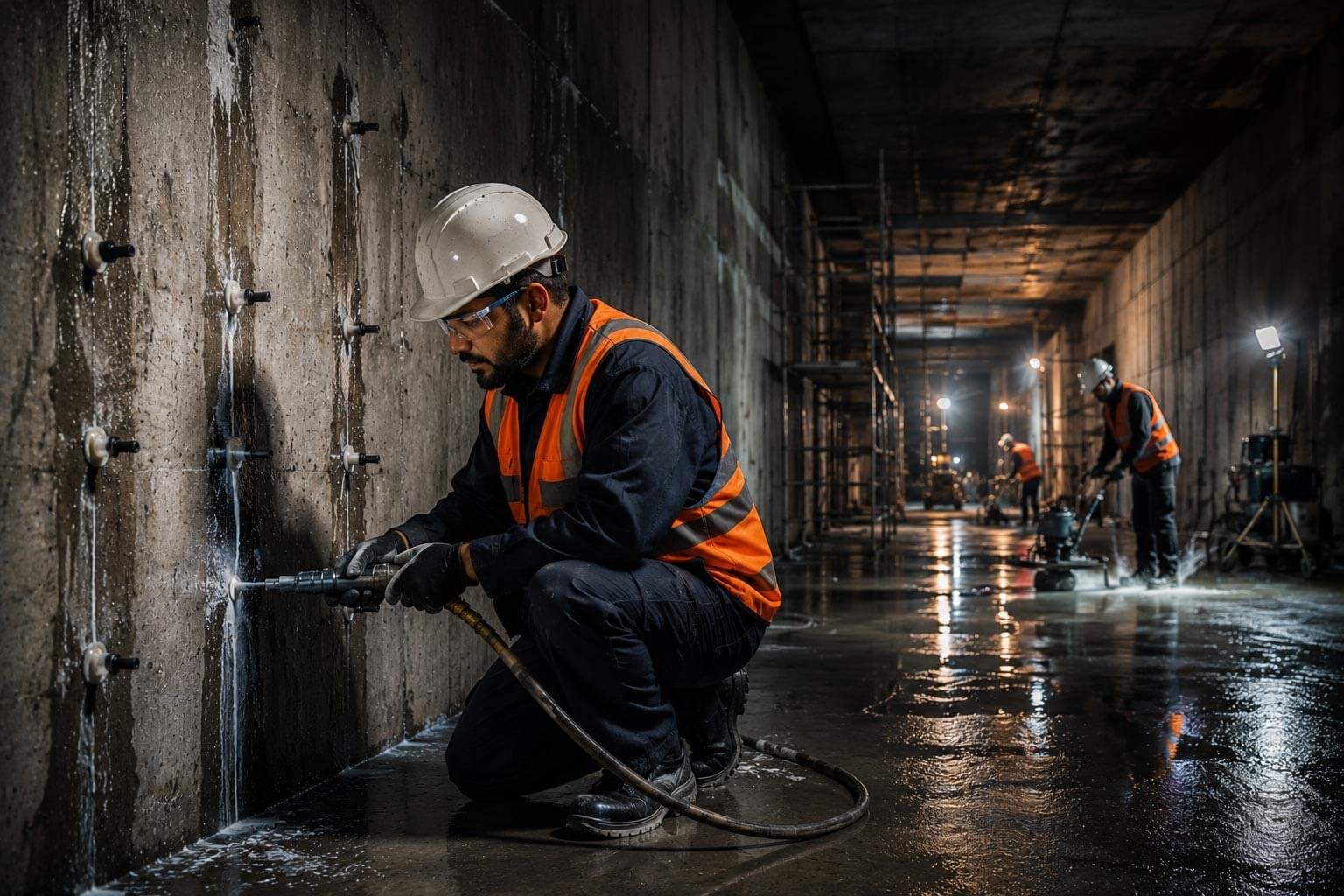
0
Protective Coatings

Protective Coating Contractor

Industrial protective coating services for steel structures, concrete assets, and storage tanks across Egypt and Saudi Arabia.

95% Success rate
25yr Material lifespan
24–48h Avg. completion

Protective Coatings — Overview

  • SA 2.5 / SA 3 abrasive blast cleaning with soluble salt & dust assessment
  • Three-coat systems: zinc-rich primer, epoxy intermediate, polyurethane topcoat
  • Anti-corrosion, anti-carbonation & chemical-resistant coating systems
  • NACE-aligned inspection — DFT, holiday testing & adhesion pull-off testing
  • Certified applicator for Jotun, Sika, Hempel & international coating manufacturers
Protective Coating Contractor
95% Success rate
25yr Material lifespan
24–48h Avg. completion

Industrial Protective Coating Services

Corrosion, carbonation, chemical attack, and UV exposure destroy unprotected steel and concrete — driving costly shutdowns, structural repairs, and safety risks. As a protective coating contractor serving Egypt and Saudi Arabia, OSISCO delivers industrial protective coating systems engineered for refineries, power plants, storage tanks, bridges, pipelines, and commercial infrastructure.

Our protective coating services cover specification, abrasive blast cleaning, multi-coat application, and NACE-aligned quality assurance — from zinc-rich primer and epoxy intermediate coats to polyurethane topcoats and specialized tank lining systems.

Asset / EnvironmentTypical Protective Coating System
Structural steel — atmosphericZinc-rich primer + epoxy intermediate + PU topcoat
Storage tanks — immersionEpoxy / novolac epoxy / glass flake epoxy lining
Concrete façades & car parksAnti-carbonation coating + UV-resistant topcoat
Pipelines & offshore steelFusion bonded epoxy (FBE) / glass flake epoxy
Chemical process areasNovolac epoxy / chemical resistant coating for concrete

Protective Coating Systems & Technologies

01

Anti-Corrosion Coating for Steel Structures

Zinc-rich primer: Cathodic protection at the steel surface — the foundation of corrosion protection coating systems for structural steel, pipe racks, and refinery structures.

Epoxy protective coating: High-build epoxy intermediate and stripe coats provide barrier protection against moisture and chlorides — essential in industrial coating contractor specifications for C3–C5 environments.

Polyurethane protective coating: UV-resistant, flexible topcoats deliver weather resistance, colour retention, and abrasion resistance on exposed steel and concrete coating systems.
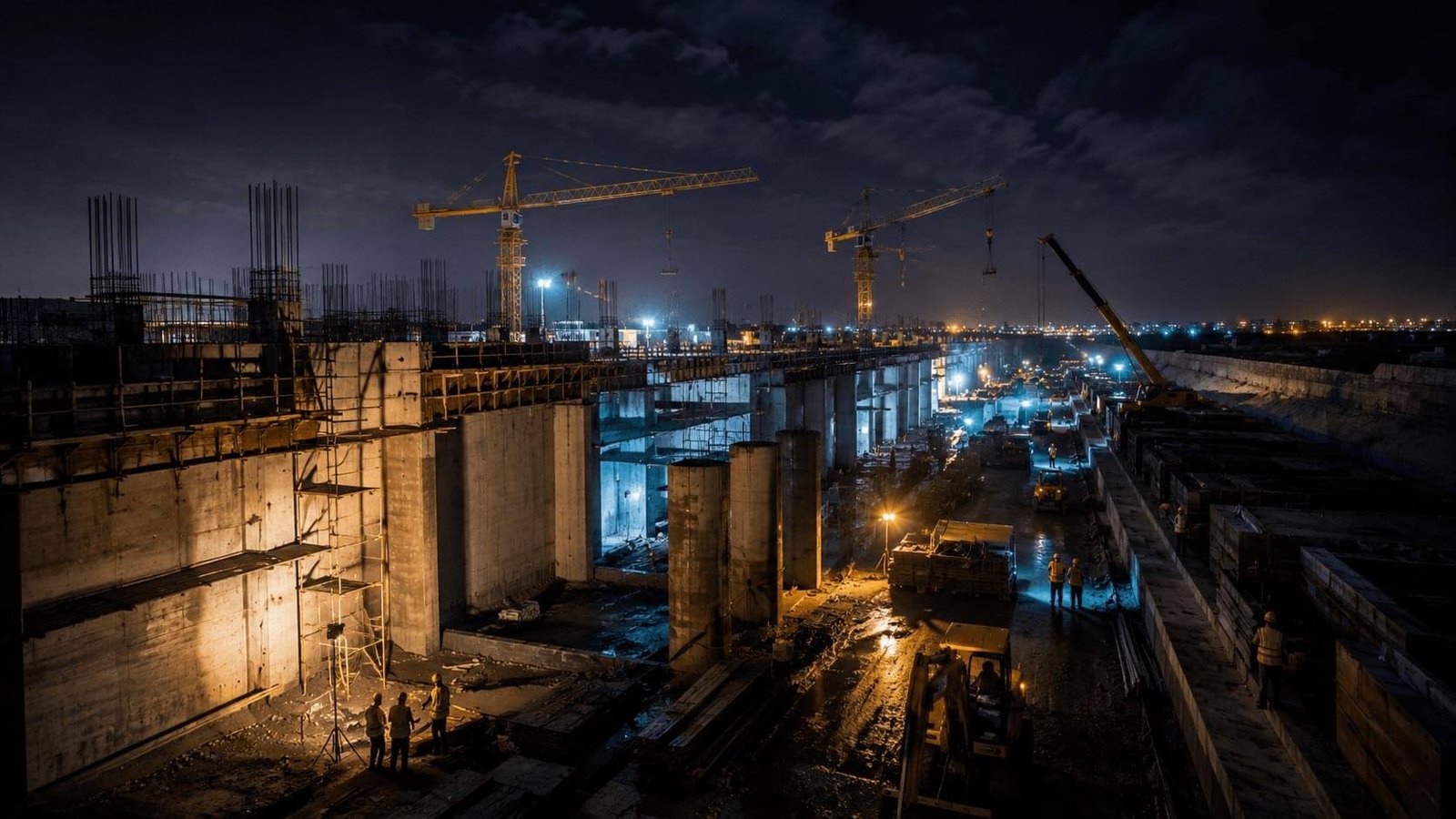
02

High-Performance & Specialty Systems

Novolac epoxy coating: Chemical-resistant lining for tanks, bunds, and process areas exposed to aggressive acids, solvents, and hydrocarbons.

Glass flake epoxy coating: Lamellar glass reinforcement for improved barrier performance in immersion, marine, and underground service.

Fusion bonded epoxy (FBE): Pipeline and steel protective coating applied at elevated temperature for buried and offshore steel coating systems.

Coal tar epoxy: Legacy-compatible systems for underground pipelines and immersion where specified by asset owners.

03

Concrete Protective Coating & Anti-Carbonation

Anti-carbonation coating concrete: Elastomeric and acrylic anti-carbonation coatings limit CO₂ ingress — protecting reinforcement in car parks, façades, and water treatment structures.

Chemical resistant coating for concrete: Epoxy and polyurethane screeds protect slabs, containment areas, and process floors from chemical spillage and traffic abrasion.

Surface Preparation & Quality Assurance

Coating performance depends on preparation. OSISCO executes abrasive blast cleaning to SA 2.5 and SA 3, with soluble salt testing, dust assessment, chloride contamination checks, and hydro-blasting where appropriate. Ambient condition monitoring and dew point control ensure application only when substrate conditions meet specification.

  • Dry film thickness (DFT) and wet film thickness recorded per coat
  • Holiday testing on immersed and tank lining systems
  • Adhesion pull-off testing where specified
  • Coating inspection report documenting each stage for client and third-party review

Application-Specific Protective Coating Services

01

Steel Structure & Structural Steel Coating

Protective coating for steel structures in refineries, power plants, industrial buildings, and infrastructure — including structural steel coating with three-coat systems and stripe coats at edges and welds.

02

Storage Tanks, Tank Lining & Industrial Tank Lining

Storage tank coating and industrial tank lining for crude, chemical, firewater, and potable water tanks — including chemical tank lining and potable water tank lining with manufacturer-approved systems.

03

Refineries, Power Plants & Water Treatment

Refinery coating contractor services and refinery protective coatings for process areas, pipe bridges, and vessels. Power plant protective coatings and water treatment plant coatings for structures exposed to moisture, chemicals, and thermal cycling.

04

Bridges, Tunnels, Pipelines & Marine

Bridge protective coating, tunnel protective coating, pipeline protective coating, and marine protective coating for coastal and offshore corrosion environments — with systems selected for abrasion, UV, and salt exposure.

05

Buildings & Car Parks

Protective coating for commercial buildings and industrial buildings — UV resistant exterior coating and heavy-duty protective coating for concrete in multi-storey and underground car parks.

Manufacturer Approvals & Standards

OSISCO is an industrial coating contractor and approved applicator for leading protective coating manufacturers, applying systems in accordance with ISO 12944, ASTM, and client specifications:

  • Jotun, Sika, Hempel, International (AkzoNobel): Approved applicator for atmospheric, immersion, and tank lining systems.
  • NACE / SSPC alignment: Surface preparation and inspection practices aligned with international coating industry standards.
  • ISO-certified processes: Documented QA from blast cleaning through final inspection.

Representative Protective Coating Projects

  • Industrial facilities (Egypt & KSA): Structural steel and tank coating in refineries, petrochemical plants, and logistics hubs.
  • NEOM & major infrastructure (KSA): Protective coating scopes on reservoirs, process structures, and coated steel assemblies.
  • Water & power assets: Anti-corrosion and lining systems for treatment plants, cooling structures, and storage assets.
  • Commercial & transport: Car park deck coatings, bridge steel, and façade protection on high-profile developments.

Frequently Asked Questions

Your questions, our answers

What is a protective coating?

A protective coating is an engineered film system applied to steel or concrete to prevent corrosion, carbonation, chemical attack, abrasion, and weathering. Unlike decorative paint, industrial protective coatings are specified for durability, adhesion, and long-term asset protection in demanding environments.

What are protective coatings used for?

Protective coatings safeguard structural steel, concrete, storage tanks, pipelines, bridges, refineries, power plants, and industrial facilities against corrosion, moisture ingress, UV degradation, and chemical exposure — extending service life and reducing maintenance costs.

What is the difference between protective coating and paint?

Paint primarily provides colour and short-term aesthetics. Protective coating systems are engineered multi-layer specifications with defined surface preparation, film thickness, and QA testing — designed for corrosion protection, chemical resistance, and decades of performance in industrial environments.

What is an industrial protective coating?

Industrial protective coatings are high-performance systems — epoxy, polyurethane, zinc-rich primers, novolac epoxy, glass flake epoxy, and fusion bonded epoxy — applied under controlled conditions with abrasive blast cleaning and NACE-aligned inspection for factories, tanks, and infrastructure.

What types of protective coatings are available?

OSISCO applies epoxy protective coating, polyurethane protective coating, zinc-rich primer systems, novolac epoxy coating, glass flake epoxy coating, fusion bonded epoxy (FBE), coal tar epoxy, acrylic coatings, and cementitious anti-carbonation systems — selected per substrate and exposure class.

What coating is used to protect steel from corrosion?

Steel corrosion protection typically uses a three-coat system: zinc-rich primer for cathodic protection, epoxy intermediate coat for barrier resistance, and polyurethane topcoat for UV and weather durability. High-temperature or chemical environments may require novolac epoxy or glass flake epoxy.

What is anti-corrosion coating?

Anti-corrosion coating prevents oxidation of steel by combining surface preparation (SA 2.5 blast cleaning), barrier layers, and optionally zinc-rich primers that sacrifice themselves to protect the substrate — forming the core of corrosion protection coating systems.

How does protective coating prevent corrosion?

Protective coatings block moisture and oxygen from reaching steel, provide barrier films against chlorides, and — with zinc-rich systems — offer galvanic protection. Proper surface profile, dry film thickness (DFT), and holiday-free application are essential for long-term corrosion resistance.

What is the best protective coating for steel?

The best system depends on environment: offshore marine structures need glass flake or FBE systems; refineries may require novolac epoxy; general structural steel often uses zinc-rich primer plus epoxy and polyurethane. OSISCO specifies based on ISO 12944 exposure categories and client asset requirements.

What is anti-carbonation coating?

Anti-carbonation coating is a protective layer applied to concrete that resists CO₂ ingress — slowing carbonation of the cement matrix and helping preserve alkalinity around embedded reinforcement. It is a key concrete protective coating for façades, car parks, and exposed structures.

What is the best coating for concrete?

For exposed concrete, anti-carbonation elastomeric or acrylic coatings provide UV-resistant exterior protection. For chemical exposure, epoxy or polyurethane systems are used. For tank linings and water structures, certified cementitious or epoxy lining systems are specified.

How does anti-carbonation coating protect concrete?

Anti-carbonation coatings form a dense, flexible barrier that limits CO₂ diffusion into concrete, delaying pH reduction around rebar and reducing risk of corrosion-induced spalling — especially critical for anti-carbonation coating concrete in coastal and urban environments.

What coating protects concrete from chemicals?

Chemical resistant coating for concrete includes epoxy mortar overlays, novolac epoxy tank linings, polyurethane screeds, and specialized cementitious systems — selected for resistance to acids, alkalis, hydrocarbons, or process chemicals in industrial facilities.

How is protective coating applied?

Application follows surface preparation (abrasive blasting or hydro-blasting), primer application, intermediate and topcoat layers by airless spray or roller — with wet film thickness monitoring, inter-coat curing windows, and environmental controls for dew point and humidity.

How do you prepare steel before protective coating?

Steel is prepared by abrasive blast cleaning to SA 2.5 or SA 3, removal of mill scale and contaminants, soluble salt testing, dust assessment, and achieving the specified surface profile — ensuring adhesion and long-term performance of the coating system.

What is SA 2.5 surface preparation?

SA 2.5 (near-white metal blast cleaning per ISO 8501-1) removes mill scale, rust, and foreign matter so that only light shading remains. It is the standard preparation for high-performance anti-corrosion coating on structural steel and tank interiors.

How thick should a protective coating be?

Total dry film thickness depends on the specification — often 200–500 µm for atmospheric steel, higher for immersion or chemical service. OSISCO measures DFT per coat and documents results in the coating inspection report.

How long does protective coating last?

Service life varies by system and environment: quality three-coat steel systems in C3–C4 atmospheres often achieve 15–25+ years; tank linings and FBE may exceed 25 years when maintained. Anti-carbonation concrete coatings typically require renewal every 10–15 years depending on exposure.

How much does protective coating cost?

Cost depends on surface area, access, preparation grade (SA 2.5 vs hand prep), coating system, containment requirements, and QA level. OSISCO provides itemized quotations after site survey — contact our Egypt or Saudi Arabia teams for a project-specific estimate.

What factors affect protective coating cost?

Key factors include substrate condition, blast cleaning requirements, number of coats, DFT specification, working at height, environmental controls, holiday testing, tank lining complexity, and project schedule. Early specification alignment reduces rework and cost.

How do I choose a protective coating contractor?

Select a contractor with manufacturer approvals, documented SA 2.5 preparation capability, NACE-trained inspectors, coating inspection reports, and proven refinery, tank, and infrastructure references. OSISCO delivers protective coating contractor services across Egypt and Saudi Arabia with ISO-certified processes.

Three Steps. One Solution.

01

Survey & Specification

Corrosion environment assessment, coating system selection, and method statement aligned to substrate and service conditions.

02

Surface Preparation

Abrasive blast cleaning to SA 2.5/SA 3, chloride removal, dew point control, and ambient condition monitoring.

03

Application & QA

Multi-coat application with wet/dry film thickness control, holiday testing, and documented coating inspection reports.

5 Systems Provided.

01 Anti-corrosion epoxy & polyurethane coatings
02 Anti-carbonation coatings
03 Chemical-resistant linings (epoxy, novolac, PU)
04 Marine & offshore protective systems
05 UV-resistant external coatings

12 Applications.

01

Protective Coating for Steel Structures

02

Protective Coating for Concrete

03

Storage Tank Coating & Tank Lining

04

Refinery Protective Coatings

05

Power Plant Protective Coatings

06

Water Treatment Plant Coatings

07

Bridge & Tunnel Protective Coating

08

Pipeline Protective Coating

09

Marine Protective Coating

10

Industrial Facility Protective Coatings

11

Commercial & Industrial Building Exteriors

12

Car Park Protective Coating

Need This Service?

Our engineers respond within 24 hours. Free site assessment included.

Get In Touch

Let's Build
Something That Lasts.

Our engineering team responds within 24 hours.
Free site assessment for all new inquiries.

ISO 9001 Quality Management
ISO 45001 Safety Management