
0
Waterproofing Systems

Waterproofing Systems

Uncontrolled water ingress, dampness, and aggressive chemical exposure threaten concrete structures every day. With over 20 years of field engineering across Saudi Arabia and Egypt, OSISCO delivers certified waterproofing systems for structural preservation, environmental isolation, and long-term moisture protection.

Service Overview

  • Certified applicator for Sika, Mapei, Fosroc, K-Flex & Carboline systems
  • Sheet membranes, liquid coatings, crystalline & cementitious protection
  • Below-grade tanking, roofs, tanks, tunnels & parking structures
  • 140,000+ m² spray polyurea at NEOM — mega-scale KSA & Egypt delivery
Waterproofing Systems
Membrane Sheet & liquid systems
Detailing Penetrations & terminations

6 Applications.

01

Basements, foundations & retaining walls

02

Roofs, podiums, balconies & terraces

03

Water tanks, reservoirs & swimming pools

04

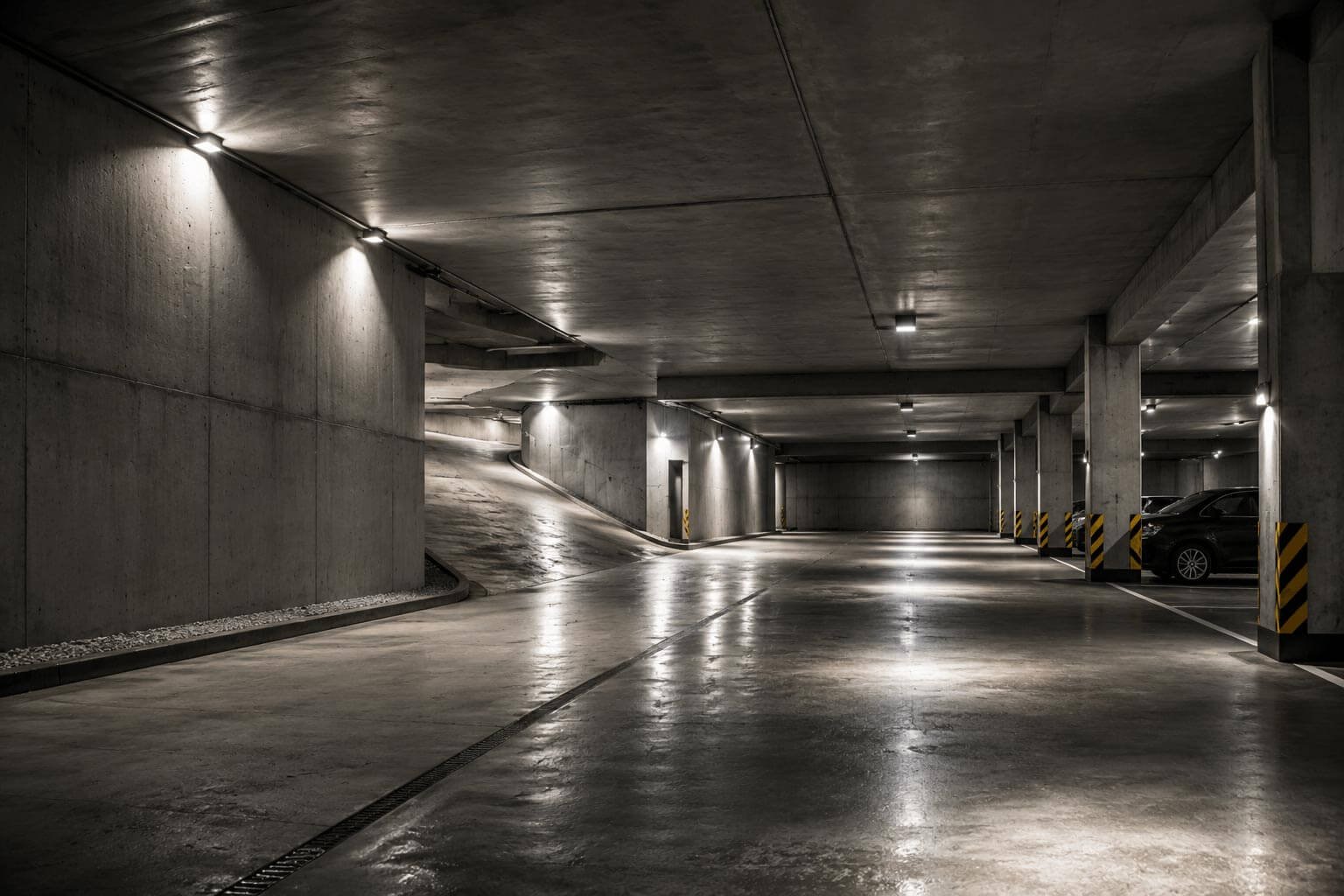
Tunnels, bridges & parking structures

05

Commercial towers & mixed-use real estate

06

Industrial plants & water utilities

Technical Solutions & Waterproofing Systems

Every facility faces a different battle — whether it is heavy hydrostatic pressure deep underground or intense UV radiation on an exposed roof. OSISCO specifies and installs durable below-grade and above-grade waterproofing technologies tailored to your site’s exact operational demands.

Site EnvironmentRecommended Technology
Deep Foundations & BasementsPVC / TPO / EPDM / Bituminous Sheet Membranes
Exposed Roofs & PodiumsSpray Polyurea / Liquid Polyurethane Coatings
Water Tanks & ReservoirsCrystalline Systems / Cementitious Slurry
Civil Structures & TunnelsHigh-Performance Spray-Applied Elastomers

Core Waterproofing Technologies

01

High-Performance Waterproofing Membrane Systems

Bituminous waterproofing & sheet membranes: Heavy-duty bituminous membrane waterproofing for foundations, basements, and retaining walls — hot-applied asphalt and torch-applied modified bituminous sheets engineered to withstand severe hydrostatic head.

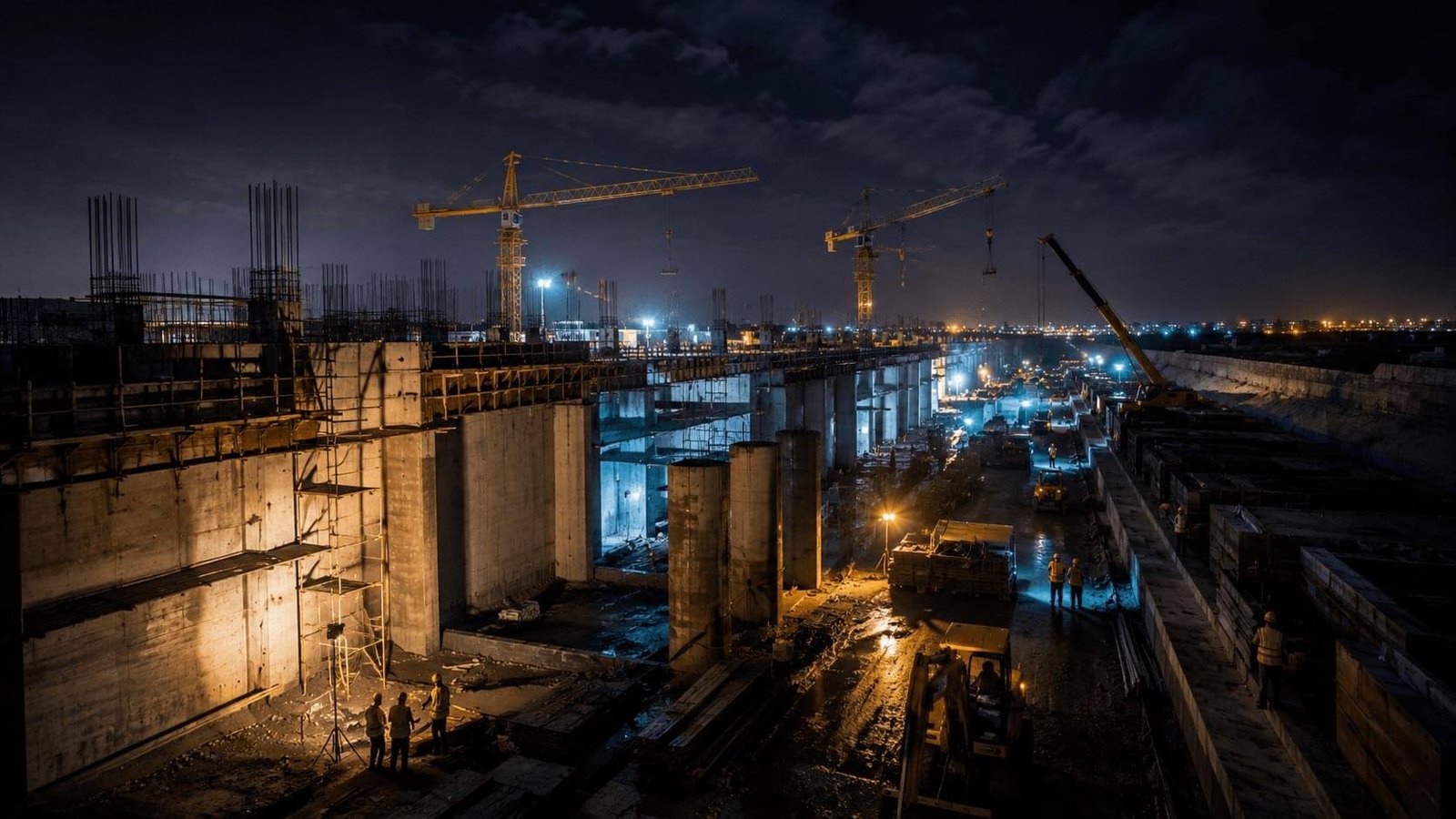
Synthetic sheet membranes: Precision-welded PVC, TPO, and EPDM systems providing a continuous, puncture-resistant barrier for basements, sub-structures, and heavy civil assets.
02

Advanced Liquid-Applied & Polyurethane Coatings

Polyurethane waterproofing: For exposed roofs, balconies, and podium decks — exceptional dynamic crack-bridging, UV stability, and continuous joint protection.

Liquid applied waterproofing: Fast-curing systems for concrete roofs, terraces, and wet areas — forming a monolithic membrane that eliminates leak paths around complex penetrations.

Spray-applied polyurea: Ultra-fast curing elastomeric systems for extreme abrasion, high hydrostatic pressure, and rapid return-to-service projects.

03

Crystalline & Cementitious Structural Protection

Cementitious waterproofing: Polymer-modified cementitious slurry for concrete tanks, sumps, and wet rooms — bonded directly to concrete substrates.

Crystalline concrete waterproofing: Reacts with moisture inside the concrete matrix to grow insoluble crystals, self-healing hairline fractures and providing permanent protection from within.

System Comparison: Membranes vs. Liquid Coatings

Property / FeaturePre-Formed Sheet MembranesLiquid-Applied Systems (PU / Polyurea / Acrylic)
Primary ApplicationBelow-grade waterproofing, foundations, basementsAbove-grade waterproofing, exposed roofs, podiums
Joint IntegrityFactory-controlled thickness; heat-welded seams100% seamless; eliminates lapped joints and weak points
Substrate AdaptabilityBest for large, flat horizontal and vertical planesIdeal for complex geometry, pipes, and intricate detailing
Chemical & Hydrostatic ResistanceExcellent barrier against soil salts, sulfates, and standing waterHigh resistance to UV exposure, pollution, and ponding

Application-Specific Waterproofing Services

01

Basement & Foundation Waterproofing

Complete external tanking, retaining wall waterproofing, underground waterproofing, and waterproofing for concrete foundations designed to withstand continuous subterranean water pressure.

02

Roof, Podium & Terrace Protection

Roof waterproofing, podium waterproofing, balcony waterproofing, and terrace waterproofing utilizing weather-resistant elastomeric coatings.

03

Water Retaining Structure Waterproofing

Certified, non-toxic systems for water tank waterproofing, swimming pool waterproofing, reservoirs, and wastewater treatment facilities.

04

Civil Infrastructure & Transport

Heavy-duty bridge waterproofing, tunnel waterproofing, and parking structure waterproofing for dynamic loading and de-icing chemical exposure.

Industry & Commercial Solutions

01

Commercial & High-Rise Real Estate

OSISCO protects mixed-use towers, shopping malls, and hotels against envelope leaks, dampness, and subterranean water ingress.

02

Industrial Plants & Logistics Hubs

Chemical-resistant waterproofing for industrial buildings — containment basins, slabs, and roofs exposed to harsh process fluids.

03

Infrastructure & Water Utilities

Mega-scale works including water tanks and reservoirs, civil shafts, bridge decks, and tunnel membrane installation with resin injection support.

Manufacturer Approvals & International Standards

OSISCO is a certified applicator for leading global manufacturers, installing in strict compliance with ACI, ASTM, DIN, and EN standards:

  • Sika: Certified applicator for Sikalastic polyurea, SikaProof membranes, and SikaTop cementitious coatings.
  • Mapei Saudia: Approved applicator for Purtop polyurea, Mapeplan TPO/PVC membranes, and Mapelastic systems.
  • Fosroc: Certified for Proofex sheet membranes, Nitoproof liquid coatings, and Renderoc repair mortars.
  • K-Flex & Carboline: Approved applicators for specialized insulation, fire-rated sealants, and protective tank linings.

Landmark Infrastructure & Waterproofing Projects

  • NEOM Business City – Al Badaa Reservoir (KSA): Over 140,000 m² of spray polyurea waterproofing and injection systems under Bechtel supervision.
  • The New Delta Water Treatment Plant (Egypt): Specialized structural waterproofing and sealing for the world’s largest water treatment plant (7.5 million m³/day capacity).
  • Sarabium Siphon (Egypt): Waterproofed 57.5-metre deep underground water shafts under extreme hydrostatic head.
  • Greater Cairo Metro Line 4: Subterranean station waterproofing, tunnel membrane installation, and resin injection.

Frequently Asked Questions

Your questions, our answers

What is waterproofing and why is it important?

Waterproofing makes a structure water-resistant or impervious to water ingress. It is vital because unsealed water entry corrodes internal steel rebar, degrades concrete strength, encourages mold, and leads to severe structural degradation over time.

How do I choose a waterproofing contractor?

Look for a certified team with proven experience in your building category, direct applicator credentials from global manufacturers (such as Sika or Mapei), strict safety compliance, and a strong portfolio of successfully completed projects.

How long does a waterproofing system last?

When specified correctly and applied by certified professionals, premium waterproofing systems typically last between 15 to 25+ years, depending on the material, exposure, and ongoing maintenance.

What waterproofing system is best for my project?

Selection depends on environmental exposure. Foundation waterproofing relies heavily on synthetic or bituminous sheet membranes, while exposed roofs perform best with liquid polyurethane or spray polyurea coatings. OSISCO’s engineering team reviews site conditions to recommend the exact specification.

What is the best waterproofing system for a basement?

Basements require full tanking using heavy-duty pre-applied PVC/TPO sheet membranes or multi-layer modified bituminous sheets, combined with specialized waterstops placed at all construction joints.

What is the difference between waterproofing membranes and coatings?

Membranes are pre-manufactured sheets (like PVC or bitumen) rolled out and seam-welded onto surfaces. Coatings are liquid-applied resins (like polyurethane or acrylic) that cure on-site to form a jointless protective film.

What is cementitious waterproofing used for?

Cementitious slurries are primarily used for water-retaining structures such as water tanks, swimming pools, sumps, wet room interiors, and basement interiors where positive-side or negative-side rigid protection is required.

When should polyurethane waterproofing be used?

Polyurethane is ideal for exposed roofs, podium decks, and balconies that require high elasticity, seamless coverage, strong UV resistance, and durability under foot traffic.

Can waterproofing be applied to existing concrete?

Yes. Existing concrete can be retrofitted by mechanically profiling the surface, repairing structural defects, and applying liquid coatings, crystalline treatments, or structural injection systems.

How do you waterproof an underground structure?

Underground structures are waterproofed by installing external tanking membranes (PVC, TPO, or bitumen) prior to backfilling, placing continuous waterstops at construction joints, and sealing fractures with high-pressure resin injection.

How do you test a waterproofing system after installation?

Systems are typically verified using flood testing (filling horizontal areas with water for 24–48 hours), spark testing (electronic leak detection for pinholes in coatings), or visual seam inspection.

Need This Service?

Our engineers respond within 24 hours. Free site assessment included.

Get In Touch

Let's Build
Something That Lasts.

Our engineering team responds within 24 hours.
Free site assessment for all new inquiries.

ISO 9001 Quality Management
ISO 45001 Safety Management